Blog
Company updates, product thinking, and notes from the team building Bisonflow.
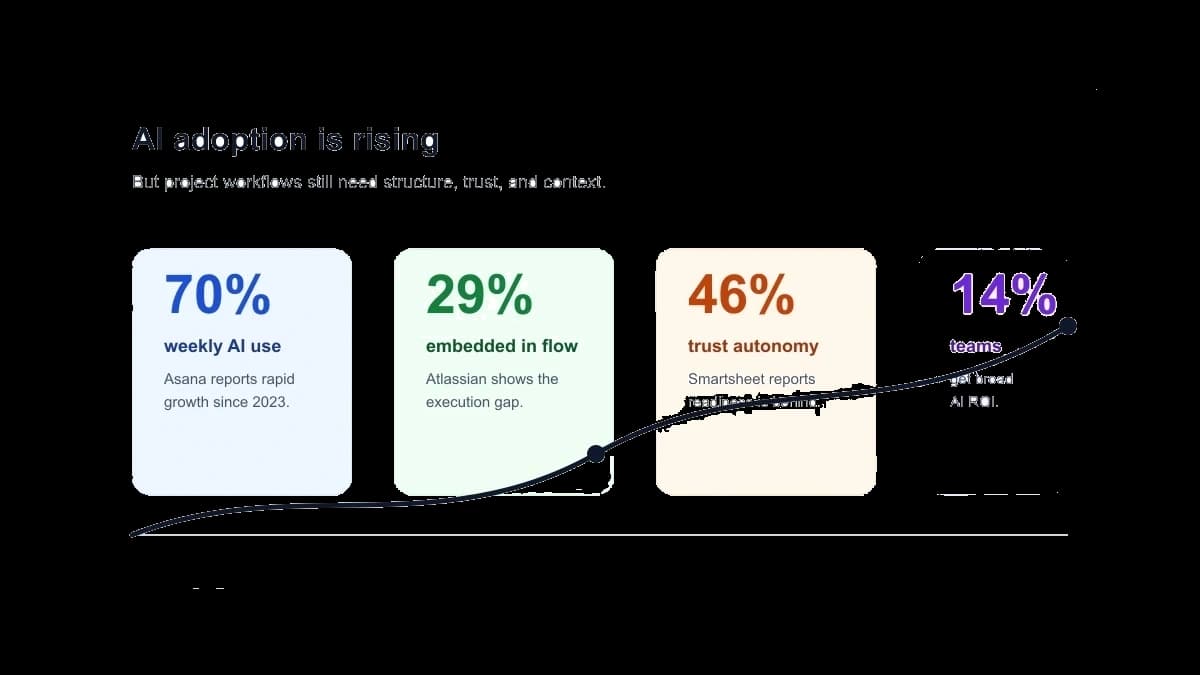
AI adoption is no longer the hard question for project teams. The harder 2026 problem is whether project systems can preserve context, decisions, ownership, and delivery state as AI creates more output.
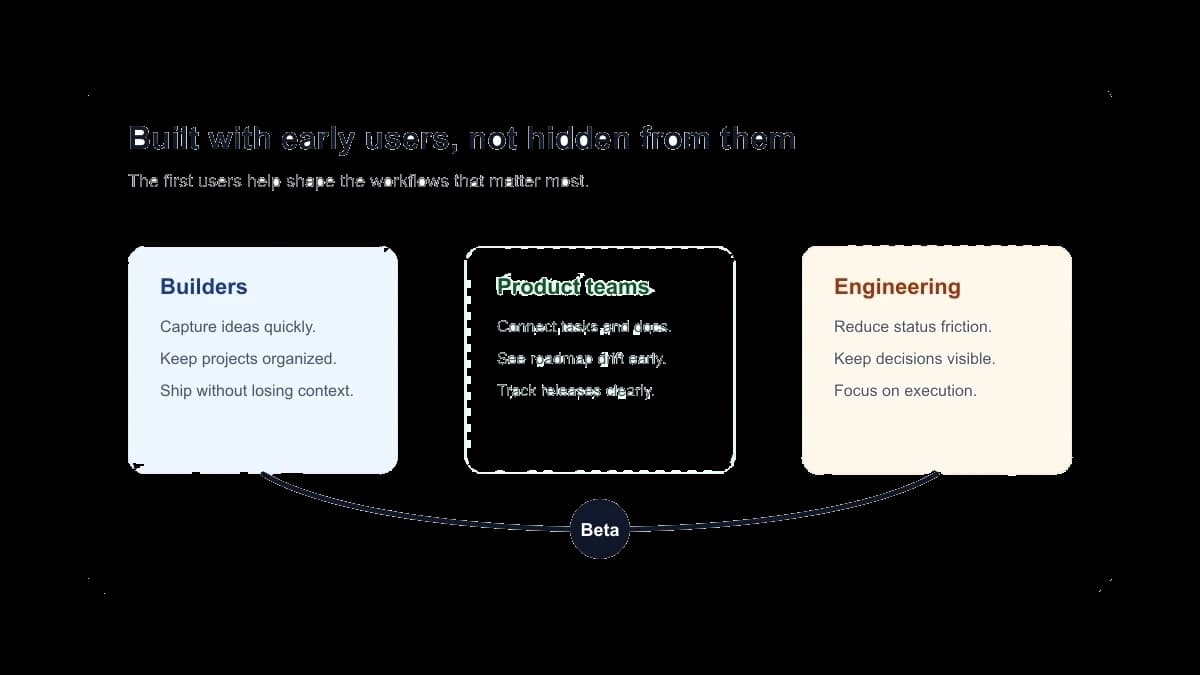
The first version of Bisonflow is for builders and small product teams close enough to the work to feel context loss, coordination drag, and release friction directly.
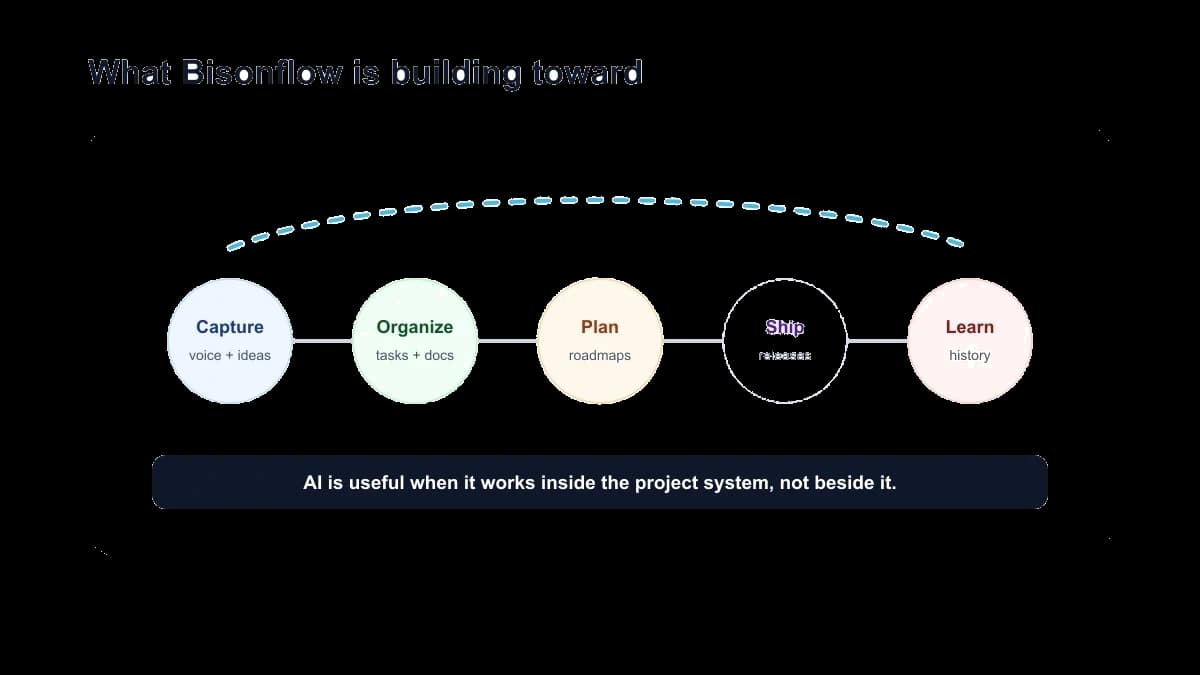
AI project management software should not be a task tracker with a writing assistant attached. It should help teams preserve project state, reduce coordination work, and move from intent to delivery with context intact.
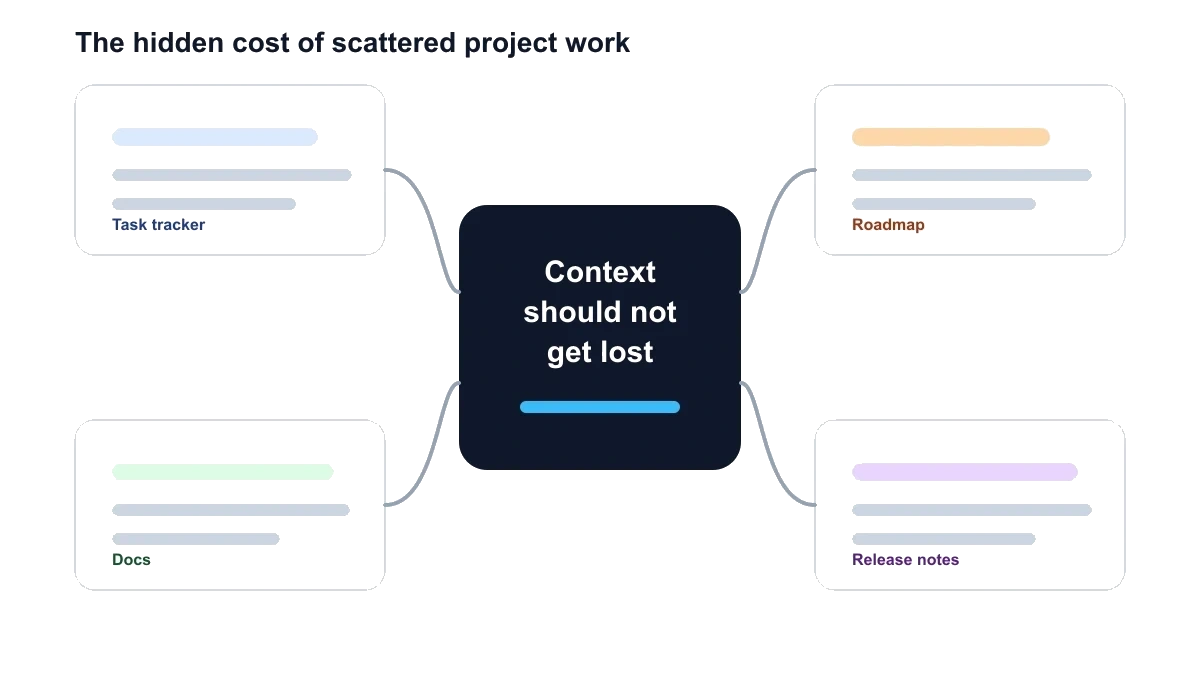
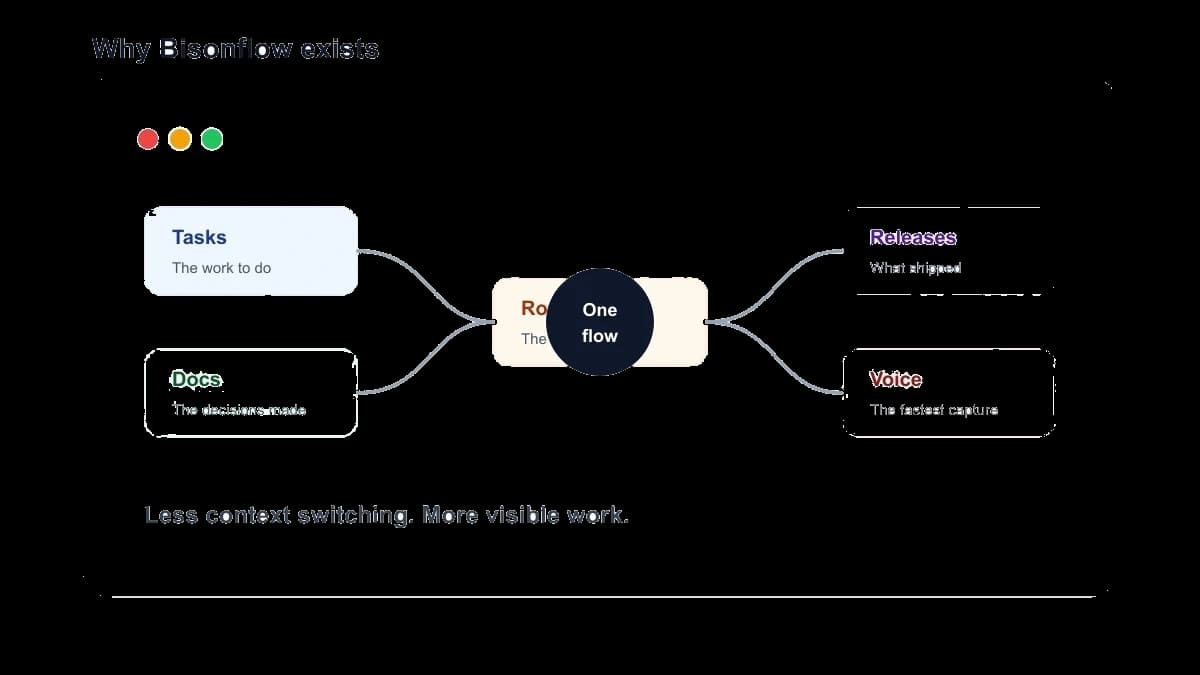
Project teams do not only lose time moving between tools. They lose time rebuilding project state when tasks, docs, roadmaps, decisions, and releases drift apart.
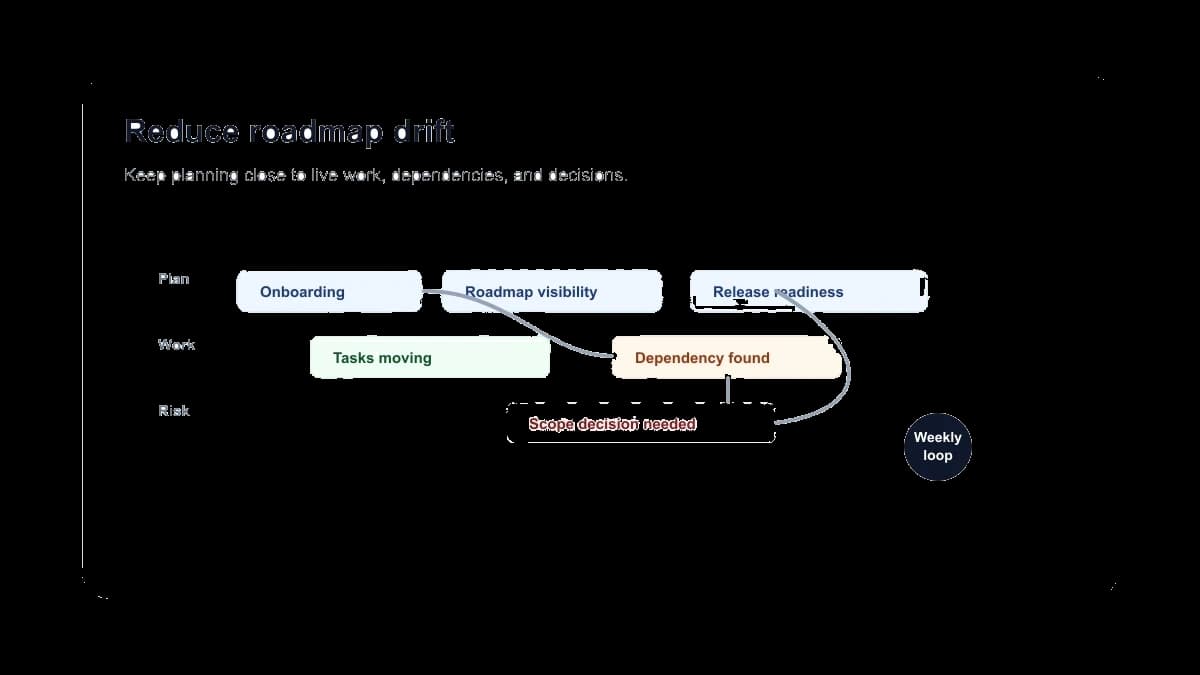
Roadmaps drift when plans stop reflecting live work. A lightweight weekly loop can keep milestones, dependencies, decisions, and releases connected without turning planning into theater.
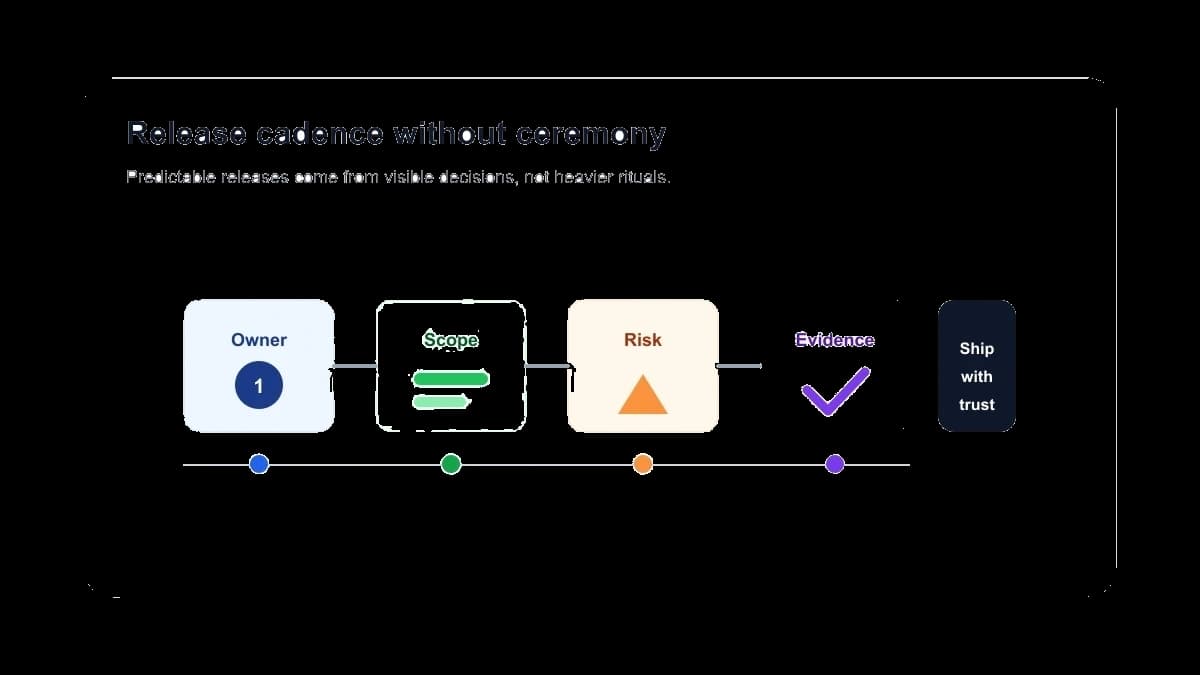
Predictable releases do not come from more meetings. They come from visible scope, clear ownership, evidence-based readiness, early scope correction, and a record of what actually shipped.
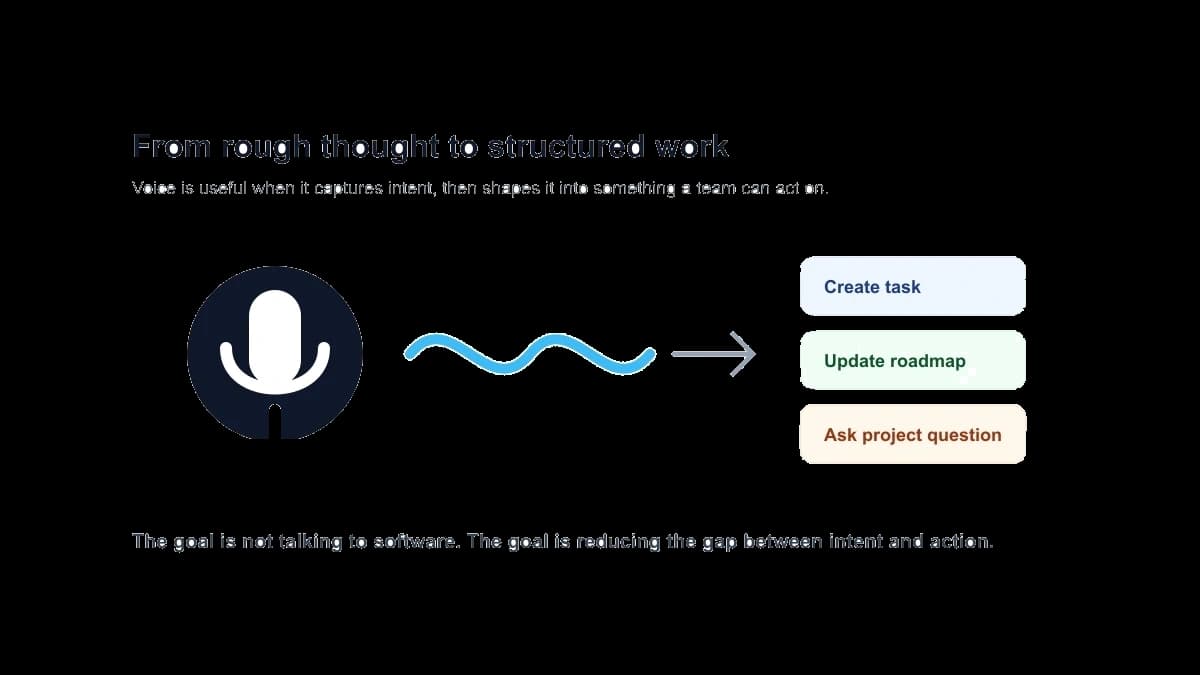
Voice is not useful in project management because it feels futuristic. It is useful when it shortens the path from a rough thought to structured work the team can trust later.
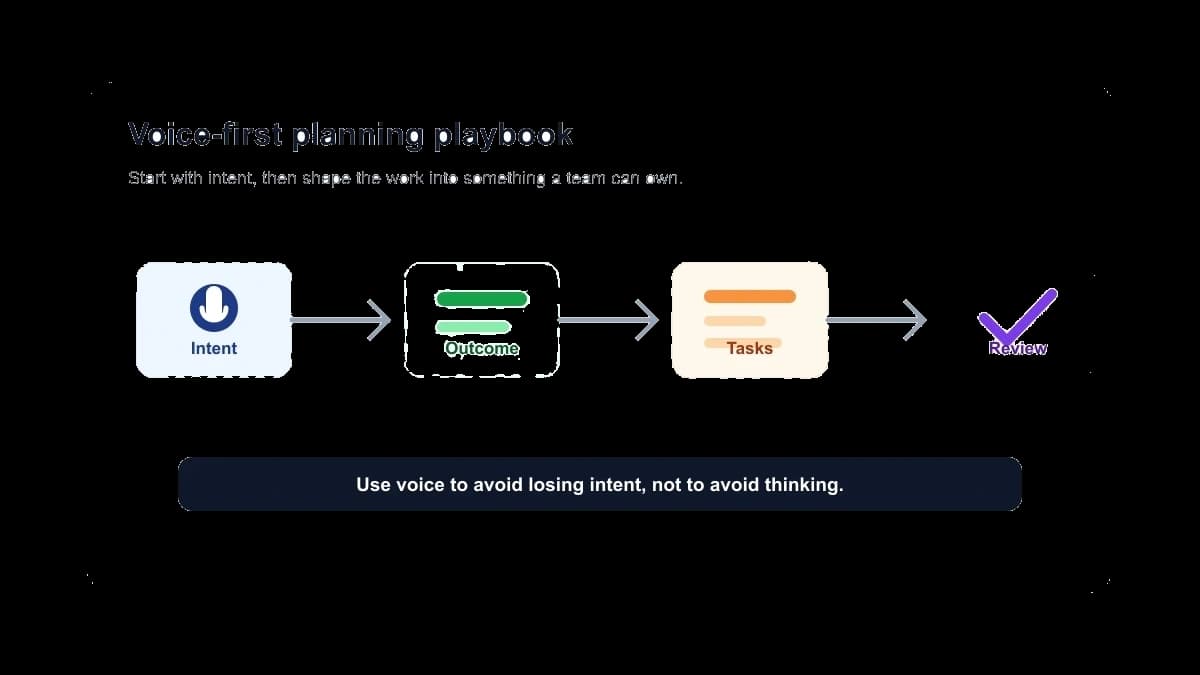
Voice planning works only when spoken intent becomes structured project work. This playbook shows how to move from rough capture to outcomes, tasks, handoffs, and review without creating a new pile of notes.
Bisonflow comes from a practical problem I kept seeing in software teams: project context appears in one place, execution happens in another, and teams spend too much energy reconnecting the work.